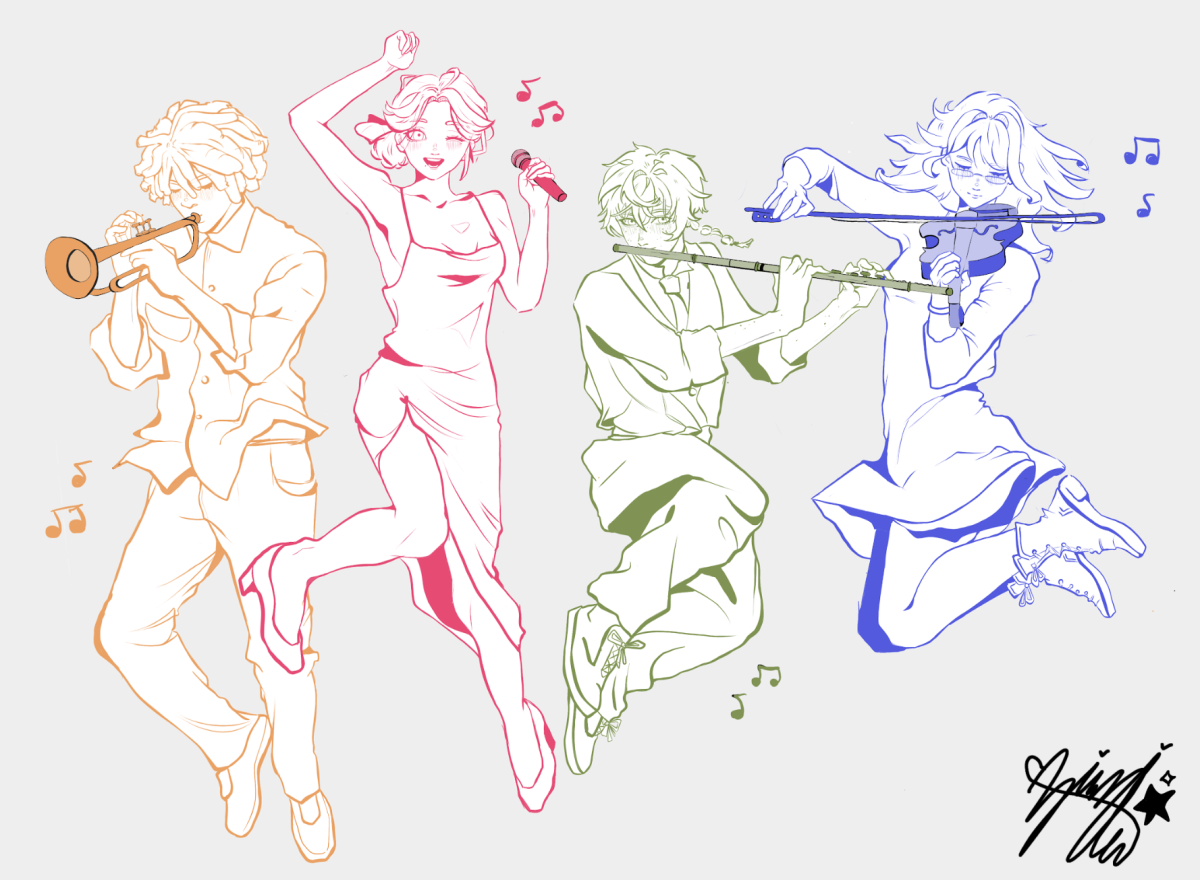
In 1964, during one of the greatest peaks of the civil rights movement, Dr. Martin Luther King Jr. pens an essay at the Berlin Jazz Festival on the importance of Jazz within the black community in predicting and approaching issues of race, proclaiming that “Jazz speaks for life. The Blues tell the story of life’s difficulty.”
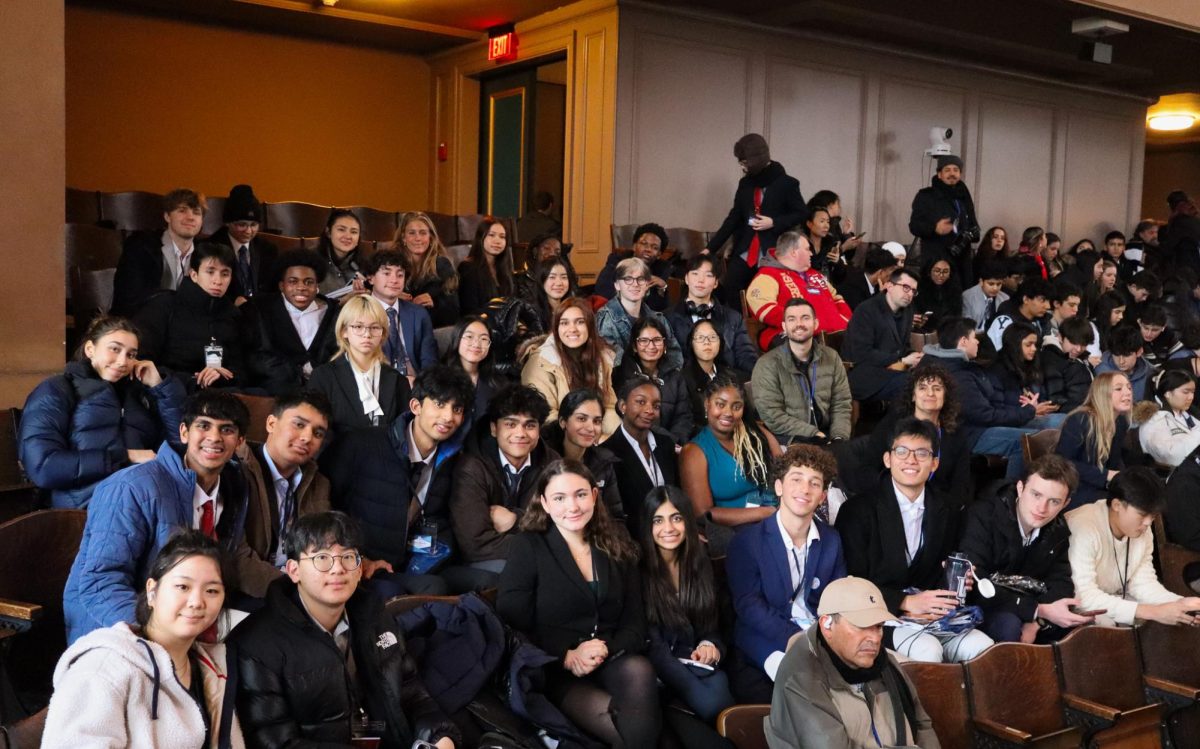
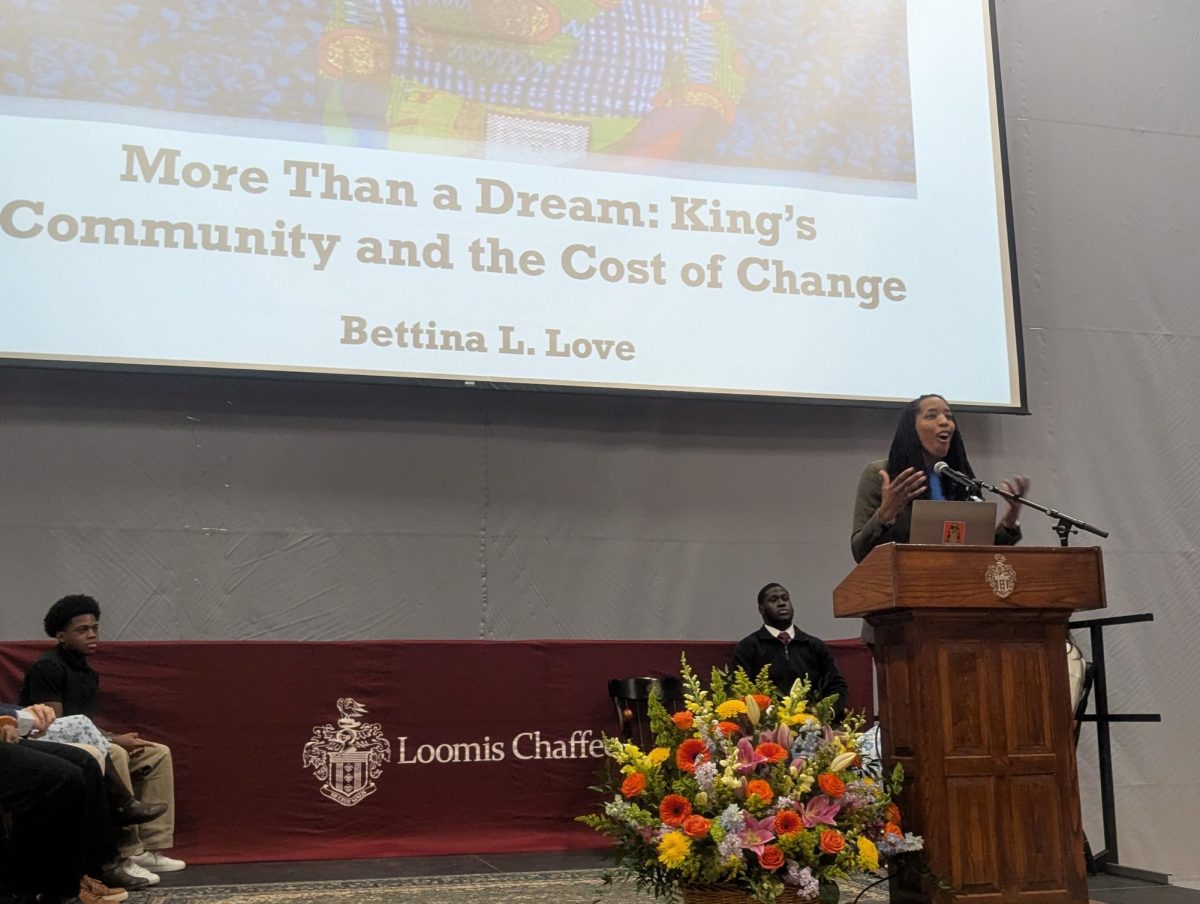
Still, more than 50 years after King’s death, performance remains a symbol of talent and an opportunity to tell a meaningful story. The Loomis Chaffee community embraced various mediums of art, from poetry to singing, during MLK week through student performances.
On Thursday, Jan 22nd, the community concert, starting with LC’s concert choir led by Ms. Chrzanowski, kicked off with Si Si Ni Moja by Jacob Narverud, a relatively new piece with the swahili phrase of “We are one”, emphasizing community within today’s world. It was followed by Dreamkeepers, a piece adapted from one of Langston Hughes’ poems. Hughes was a key figure of the Harlem Renaissance who advocated for the protection of one’s aspirations through art and writing.
Daniel Onyemakonor ‘27 revealed how the performance had a deep connection to the past. “Martin Luther King Jr. wanted to give his people a seed of hope in those trying times of segregation and in the Civil Rights Act. Those two songs embodied MLK’s work of giving hope…like a battle cry for those who didn’t have much of a voice.”
Following Windsor Highschool’s “Teens of Praise” gospel choir, historically black singing groups arising from African American churches played pieces such as Total Praise, commemorating the death of Richard Smallwood, a long-time gospel composer. Soryal Salem, a senior in the choir, commented on the natural diversity within the group.
“Our gospel choir has a big mix – I’m Arab and my friend is Colombian- and we’re coming together as one, not different because of our skin tone, and that speaks a lot to King’s message.”
Nzinga’s Daughters, a small group of women wielding voice and percussion, sang notable resistance songs such as We Shall Not be Moved and We Shall Overcome. The concert ended with all three groups coming on stage together, singing in unity.
Seth Kalansuriya ‘29, new to the MLK performances, shared that “the perspective of each group had an implied story to share about the history of MLK. They support civil rights and the beliefs that brought everybody together.”
And then there was the all-school meeting, a culmination of many different performances from Jediah Brew ‘28’s Walk by Lecrae Hulvey to poetry of For Renee Nicole Good by Amanda Gordon, spoken by Kaiah Serrette ‘28 and Wambui Mwangangi ‘27. Michael Liu ‘26, who was part of both the orchestra performance of Carlos Simon’s Elegy, a tribute and call for black men who were “murdered wrongfully by an oppressive power” – tributing to men such as Trayvon Martin, Eric Garner, and Michael Brown, as well as also playing in the band performing Killing Me Softly with His Song Today by Fugees. He expressed that the All-school meeting gave him the ability to share his love of music with the larger LC community, as well as expressing it in a way that supports MLK.
“This performance brings together people of a wide variety of ethnic backgrounds: Asian, African American, white, and Jamaican. Music rings us together, and we hope to use music to bring Loomis together,” said Michael ’26
Kya Hua ‘26, one of the three singers (Maleah Cogle ‘26 and Aster Conway-Reppert ‘26) of the same band honored a tribute to Lauryn Hill, one of the founding members of Fugees who has had a significant impact on black culture and identity.
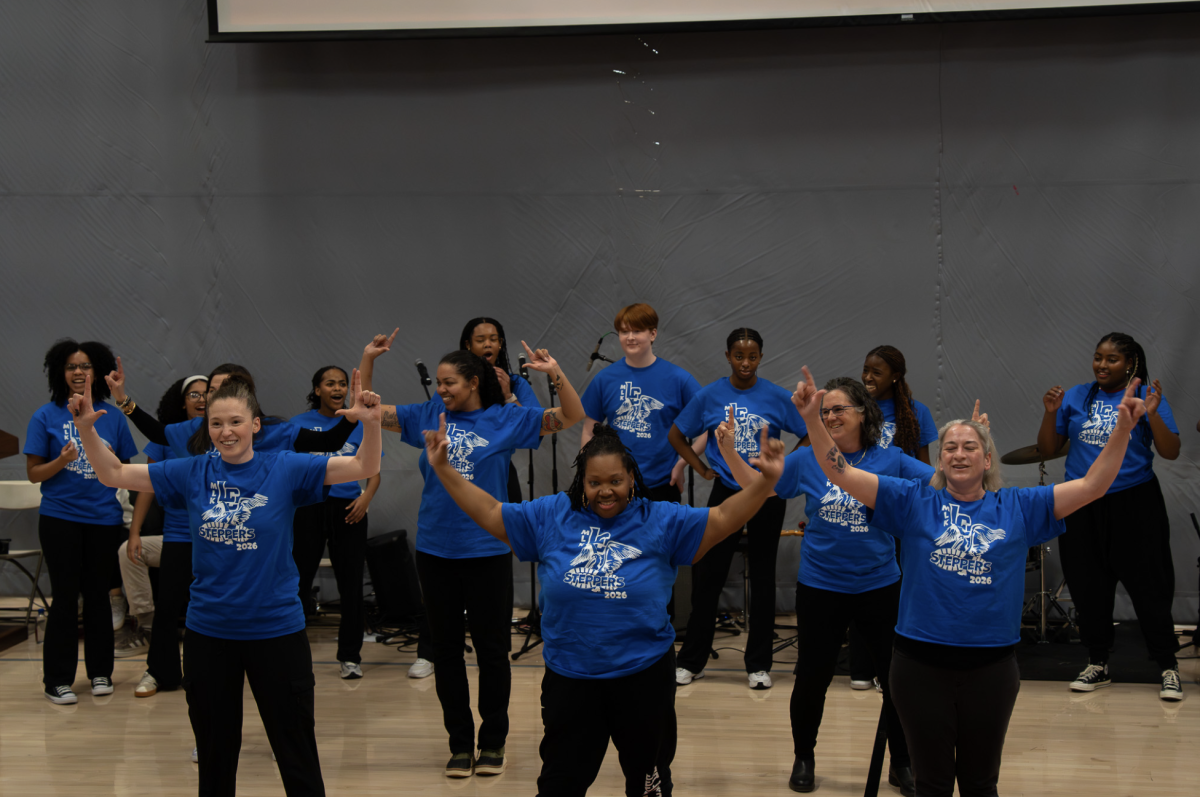
The step team ended the week of performances by confronting the question of what it means to be human by incorporating King’s ideas and legacy into their routines. Aster Conway-Reppert ‘26, captain of the step team as well as one of the leaders of the MLK planning committee overseeing the week of events shared that her love of step not only pushes her forward, but also compels her to find the deeper meaning behind stepping – an art influenced by enslavement throughout Africa and America.
“Together we create a unity, a communication between steppers and audience…we create a sense of belonging in African American practices,” said Aster ’26.
She also pointed out the reasoning, echoing many of King’s ideals, behind all of the performances in the first place. “The MLK planning committee believes that performances are a cornerstone of our MLK week, helping bring our community together and celebrate MLK through our performances.”
Alissa Song ‘29, a performer part of the concert choir, took away many lessons from the experience of performing and being an audience member.
“It was really insightful in the way it actually allowed me to see the vibrant parts of all the culture. It made me more appreciative of the values our school holds and inspiring to see how people fought for the right thing,” said Alissa ’29.
Across his movement, Martin Luther King Jr. advocated for unity through peace and community through understanding. Performance played a profound role within the movement, its significance echoed in Loomis Chaffee’s community.